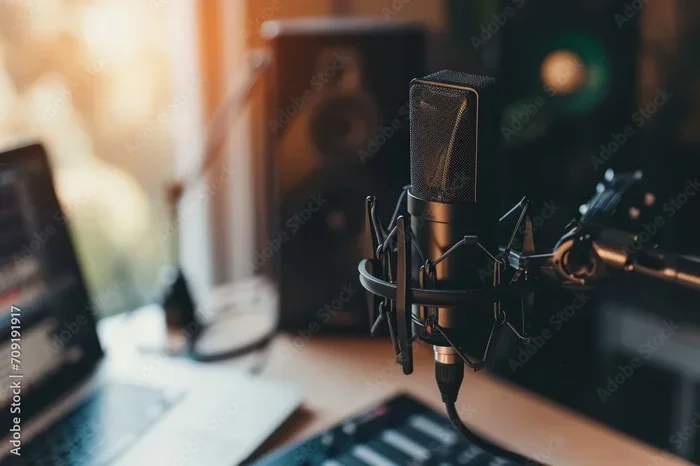
Best Microphones for Home Studio Setup to Sound Professional
Looking for the best microphones for home studio recording? This guide covers top-rated condenser mics, dynamic mics, and USB options that deliver studio-quality sound on any budget. You will find honest reviews, buying tips, and expert recommendations to help you choose the perfect mic for vocals, podcasts, and music production.
Setting up a home studio can feel overwhelming. But one decision matters more than most: picking the right microphone. The best microphones for home studio use can turn a rough recording into something that sounds polished and professional. Whether you sing, rap, host a podcast, or record instruments, your mic choice shapes everything.
In this guide, we break down the top options across every category. You will learn about condenser mics, dynamic mics, and USB picks. We also share practical tips to help you choose without wasting money. By the end, you will know exactly which mic fits your needs and budget.
Key Takeaways
- Condenser mics are ideal for vocals: They capture detail and warmth, making them the top choice for singers and voiceover artists.
- Dynamic mics handle loud sources well: They are durable and perfect for podcasting, rap, and amplified instruments.
- USB mics save time and money: They plug directly into your computer and need no extra gear.
- XLR mics offer better quality: They require an audio interface but give you more control and flexibility.
- Budget matters: Great options exist at every price point, from under $50 to over $300.
- Room acoustics play a big role: Even the best mic sounds bad in a noisy, untreated room.
- Accessories help: A pop filter, shock mount, and mic stand make a real difference in your recordings.
📑 Table of Contents
Why Your Microphone Choice Matters
The Role of Your Mic in Sound Quality
Your microphone is the first link in your recording chain. Everything that follows, from your audio interface to your editing software, depends on the sound your mic captures. A great mic picks up clean, detailed audio. A poor mic picks up noise, room echo, and thin sound that is hard to fix later.
Think of it this way. You would not paint a masterpiece on a dirty canvas. The same logic applies to recording. Your home studio microphone is your canvas. Investing in a quality mic saves you hours of editing and mixing.
Also, different mics serve different purposes. A mic built for loud guitar amps will not sound the same as one built for soft whispers. Understanding this difference is the first step toward better recordings.
Types of Microphones for Home Recording
Condenser Microphones
Condenser microphones are the most popular choice for home studios. They use a thin, charged diaphragm that reacts to even the smallest sound waves. This makes them incredibly sensitive and detailed.
Condensers shine when recording vocals, acoustic guitars, and strings. They capture the nuance in your voice, from breathy whispers to powerful belts. Most professional studios use large-diaphragm condensers for voice recording.
However, condensers also pick up more room noise. If your space is not treated, you might hear echoes and background sounds in your recordings. They also require phantom power, usually supplied by an audio interface or mixer.
Dynamic Microphones
Dynamic microphones work differently. They use a coil and magnet system that is less sensitive but very durable. This makes them perfect for loud sources and untreated rooms.
Many podcasters and rappers swear by dynamic mics. They reject background noise well and handle high sound pressure levels without distorting. If you record in a noisy home or a room with hard surfaces, a dynamic mic can be your best friend.
The trade-off is less detail in the high frequencies. Vocals recorded with a dynamic mic may sound warmer but slightly less crisp compared to a condenser.
USB vs XLR Microphones
USB microphones connect directly to your computer. They have a built-in analog-to-digital converter. This means no extra gear is needed. Just plug in and record. They are the easiest option for beginners.
XLR microphones use a three-pin connector and require an audio interface or mixer. The setup takes more effort, but the sound quality is noticeably better. XLR also gives you room to grow. You can upgrade your interface later without replacing your mic.
Here is a quick comparison of the two:
- USB mics: Simple setup, affordable, great for beginners
- XLR mics: Better sound quality, more flexible, requires extra gear
Best Condenser Microphones for Home Studio
Top Picks for Vocal Recording
When it comes to microphone for singing, condensers are hard to beat. They capture the full range of your voice with clarity and warmth. Here are some standout options that the home studio community loves.
The Audio-Technica AT2020 is a favorite among beginners. It costs around $100 and delivers surprisingly professional sound. The Rode NT1-A is another gem. It is known for its low self-noise, which means a cleaner recording with less hiss.
For those willing to spend more, the Neumann TLM 103 sets a new standard. It is used in top studios worldwide and captures vocals with stunning detail. But it comes at a premium price. Start with a mid-range option and upgrade as your skills grow.
Quick tip: Always use a pop filter with your condenser mic. It reduces harsh plosive sounds like “p” and “b” that can ruin an otherwise perfect take.
Best Dynamic Microphones for Home Studio
Great Options for Podcasting and Loud Sources
If you are recording a podcast or a loud instrument, a dynamic microphone is often the smarter choice. These mics are rugged, affordable, and excellent at isolating your voice from room noise.
The Shure SM7B is the gold standard for broadcast and podcasting. It is expensive, but the sound quality justifies the cost. For a budget-friendly alternative, the Audio-Technica ATR2100x-USB offers both USB and XLR outputs. It is one of the most versatile mics on the market.
The Rode PodMic is another excellent pick designed specifically for podcasting. It sounds warm and natural right out of the box. It also comes with a built-in shock mount, which saves you from buying one separately.
Common mistake: Many beginners place their dynamic mic too far away. Keep it about 4 to 6 inches from your mouth for the best results. This also helps reduce room reflections.
Best USB Microphones for Beginners
Plug-and-Play Options That Sound Great
If you are just starting out, a USB microphone removes the hassle of extra equipment. You skip the audio interface and go straight to recording. These mics are perfect for bedroom producers, content creators, and anyone who wants quick results.
The Blue Yeti remains one of the most popular USB mics ever made. It offers multiple pickup patterns, so you can use it for solo recording, interviews, and even live streaming. The Samson Q2U is another fantastic budget option under $70. It also offers both USB and XLR, giving you room to grow.
The Fifine K669B is a surprisingly good mic for under $40. It proves that you do not need to spend a fortune to get clean, usable recordings. Many home studio owners keep it as a backup or secondary mic.
Expert insight: USB mics sound great for entry-level work, but they have limited upgrade paths. If you plan to take recording seriously, consider saving up for an XLR setup with a decent audio interface.
How to Choose the Right Mic for Your Setup
Factors to Consider Before You Buy
Choosing the best microphones for home studio setup depends on several factors. Let us walk through the most important ones.
Your recording environment matters most. If you have a quiet, treated room, a condenser mic will give you beautiful detail. If your room has echo, noise, or hard surfaces, a dynamic mic will serve you better.
Think about what you are recording. Vocals, acoustic guitar, and ukulele sound amazing on condensers. Podcasting, rap vocals, and electric guitar amps sound better on dynamics. Streaming and video calls work well with USB mics.
Set a realistic budget. You do not need to spend hundreds of dollars to get good sound. Some of the best home studio recordings have been made with mics under $100. Focus on technique and room treatment before chasing expensive gear.
Consider your growth path. If you see yourself recording more seriously over time, invest in an XLR mic and a basic audio interface. This setup will serve you for years and grow with your skills.
Quick Tips to Improve Your Recordings
- Record in a quiet room and close windows and doors
- Use a shock mount to reduce vibrations from your desk or stand
- Position your mic slightly off-axis to reduce plosives
- Keep your mic at mouth level or slightly above
- Record a short test clip and listen back before your full session
Conclusion
Finding the best microphones for home studio does not have to be complicated. Start by understanding your needs, your room, and your budget. Condenser mics deliver stunning vocal detail. Dynamic mics offer durability and noise rejection. USB mics provide simplicity for beginners.
The right mic paired with good technique will always outperform expensive gear used poorly. Take your time, test different options, and trust your ears. Your home studio has the potential to sound truly professional, and it all starts with the microphone you choose.
Frequently Asked Questions
What is the best microphone for a beginner home studio?
The Audio-Technica AT2020 and the Samson Q2U are excellent starting points. They are affordable, easy to use, and deliver professional-quality sound. The Q2U is especially great because it offers both USB and XLR connectivity.
Do I need an audio interface with a condenser microphone?
Yes, most condenser mics use XLR connections and require phantom power. An audio interface provides this power and connects your mic to your computer. Budget-friendly options like the Focusrite Scarlett Solo work perfectly for home studios.
Can I use a dynamic microphone for singing?
Absolutely. Many professional singers use dynamic mics for live and studio recordings. They produce a warm, rich tone. However, they capture less detail than condensers, so they work best in quieter, untreated environments.
How much should I spend on a home studio microphone?
Great microphones are available at every price point. You can find solid options for $50 to $100. Spending $150 to $300 gets you studio-grade quality. The most important thing is matching the mic to your needs and room.
What accessories do I need for my home studio microphone?
A pop filter, shock mount, and sturdy mic stand are the essentials. A pop filter reduces plosive sounds. A shock mount isolates the mic from vibrations. These small additions make a big difference in your recording quality.
Is a USB microphone good enough for professional recordings?
USB mics have improved dramatically in recent years. For podcasting, voiceovers, and home recordings, many USB mics produce broadcast-quality sound. However, XLR setups offer more flexibility and better long-term value for serious producers.